Video Lessons
Follow our video lessons step by step and learn to play piano from the beginning.
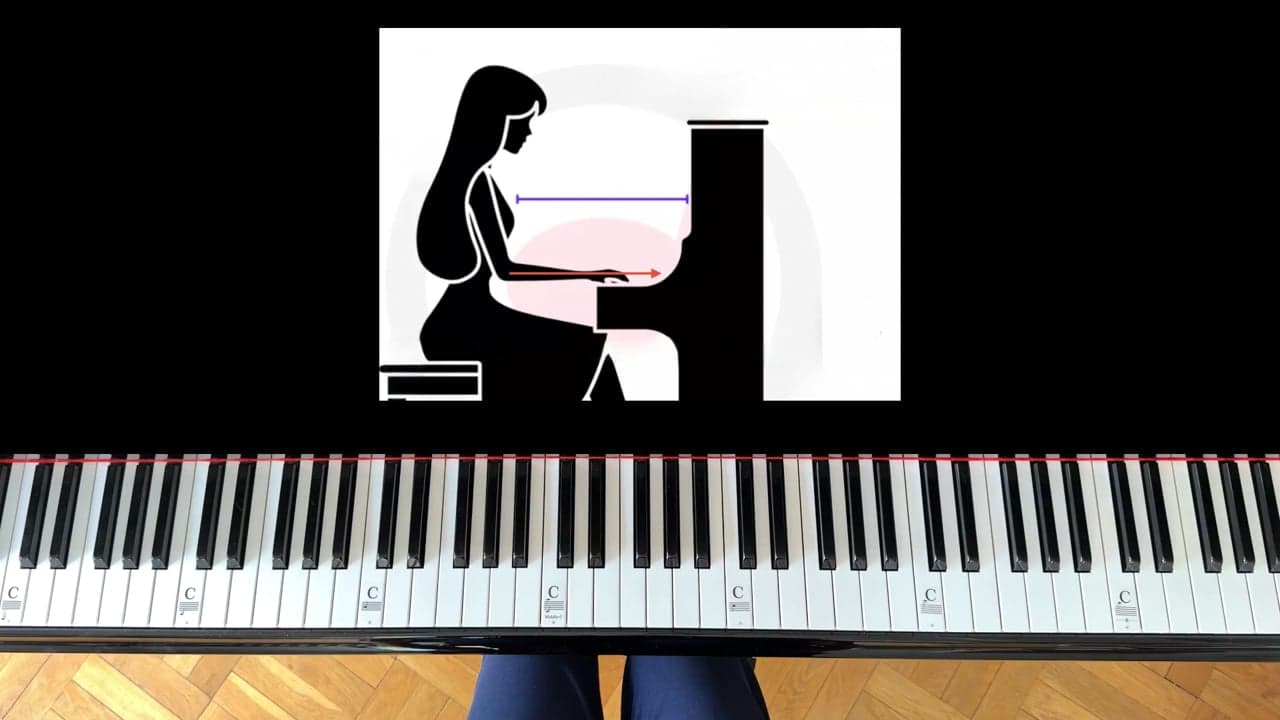
The sound on the piano doesn’t come only from the fingers, but from the weight of the hand and body. That’s why it’s important for the body to be properly positioned. Proper posture at the piano involves sitting relaxed and stable, with a straight back and feet firmly on the floor. The arms hang naturally, the wrists are flexible, and the fingers are slightly curved, playing with the fingertips. The goal is ease of movement, control, and avoiding tension.
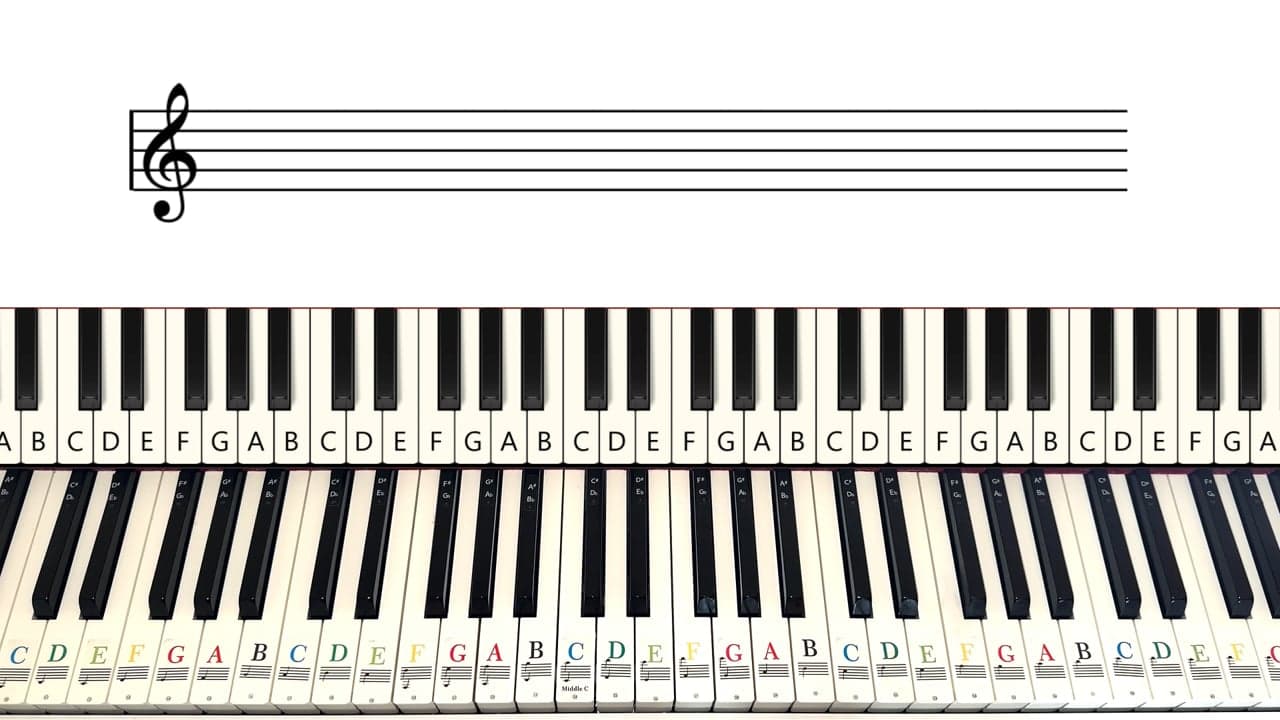
Finding your way on the piano, staff, note names
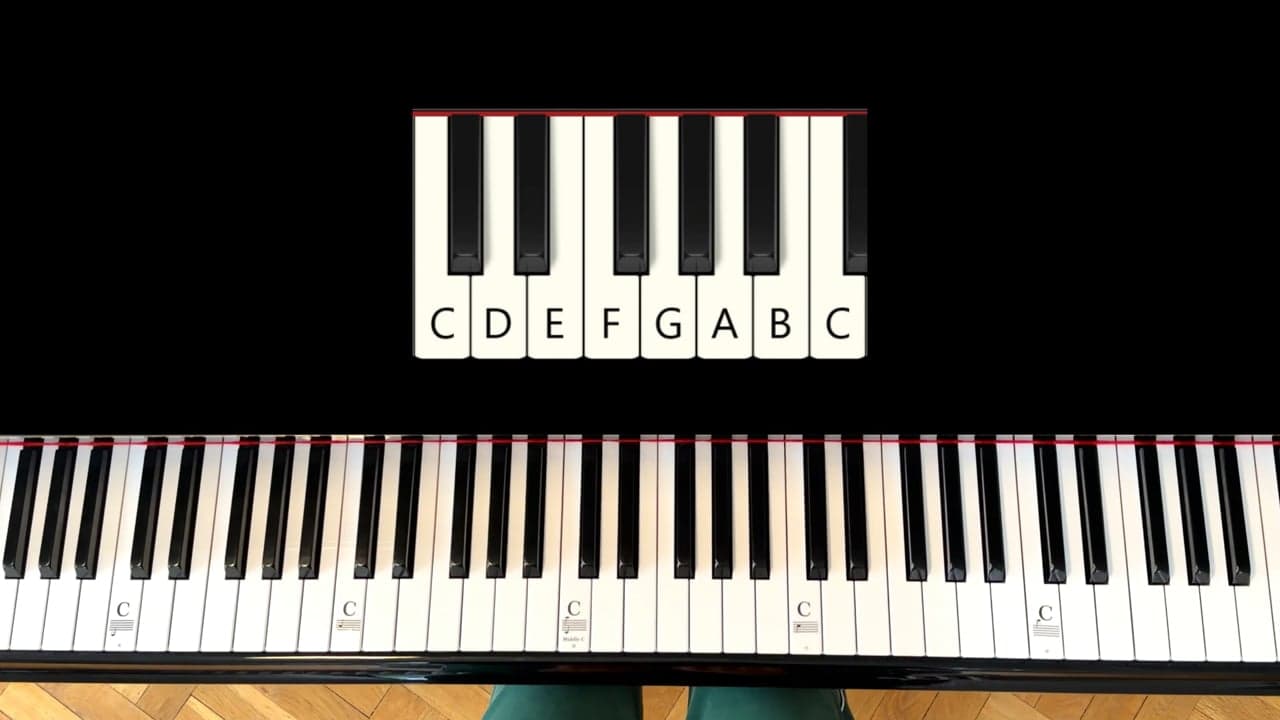
Black keys on the piano are arranged in groups of two and three.
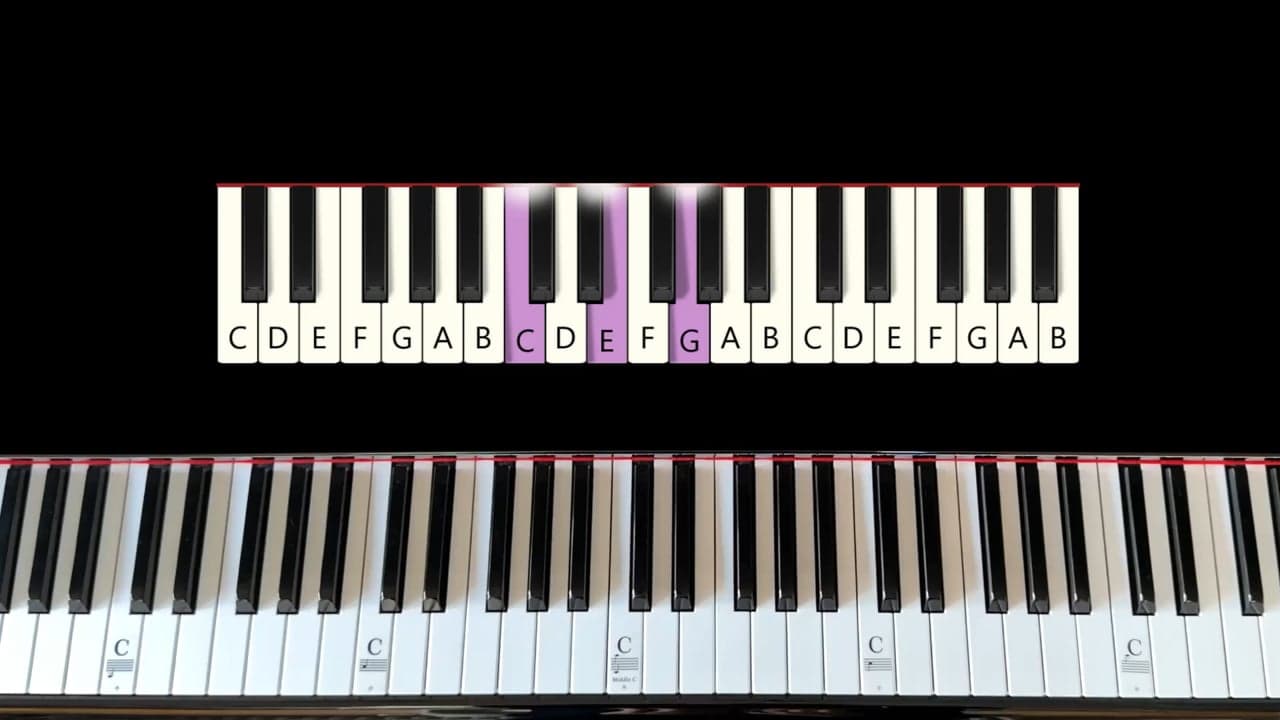
The easiest way to find a major and minor chord from any note
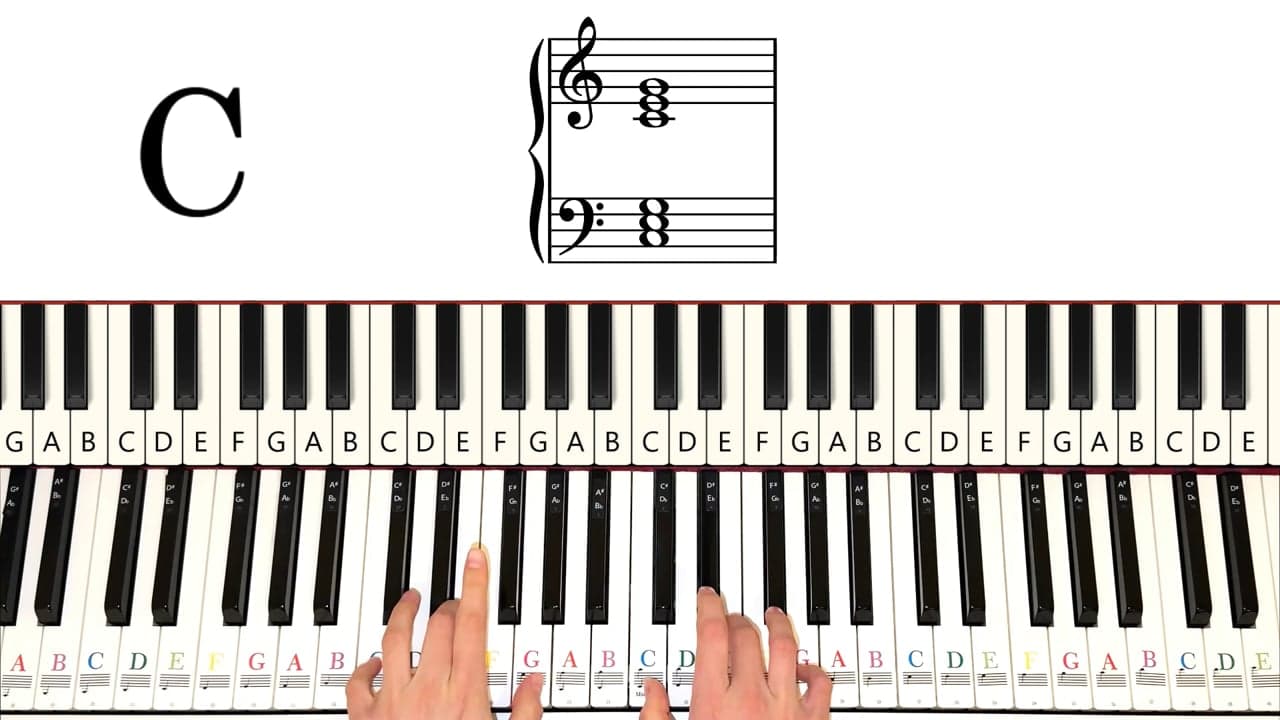
In this lesson, we go through all major chords, their correct notes, and their layout on the piano.
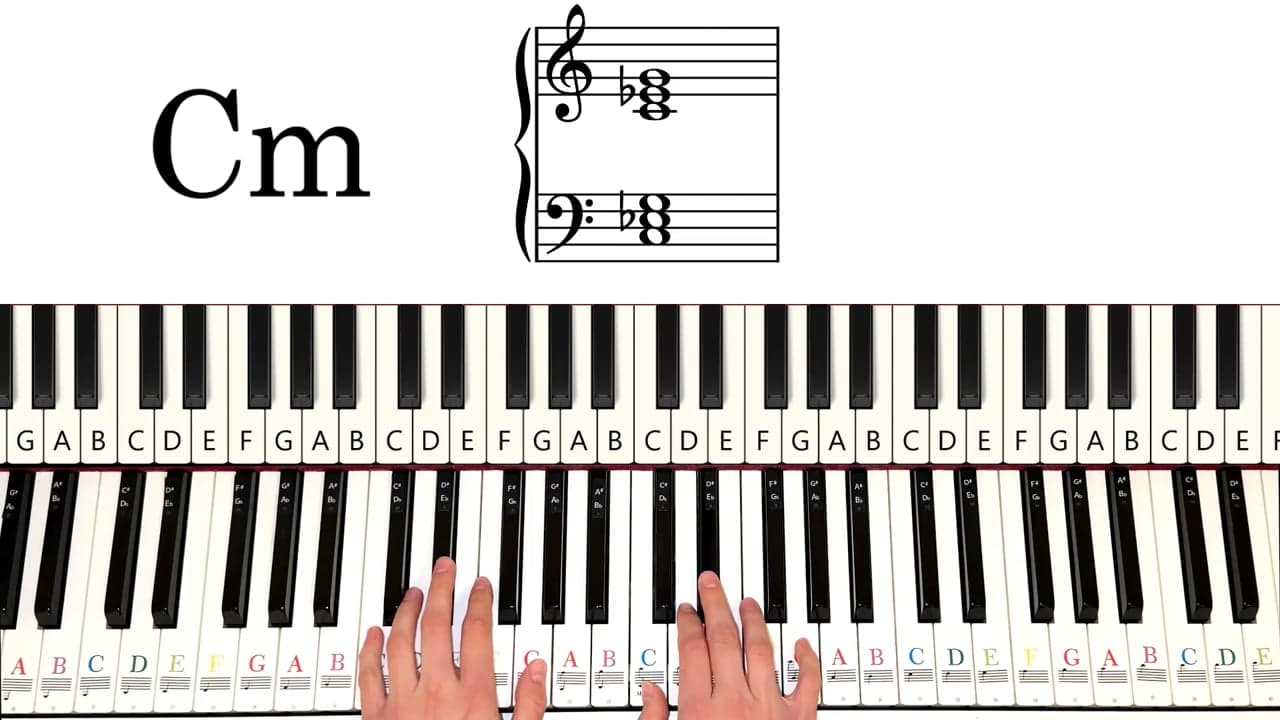
In this lesson, we go through all minor chords, their correct names, and their layout on the piano.
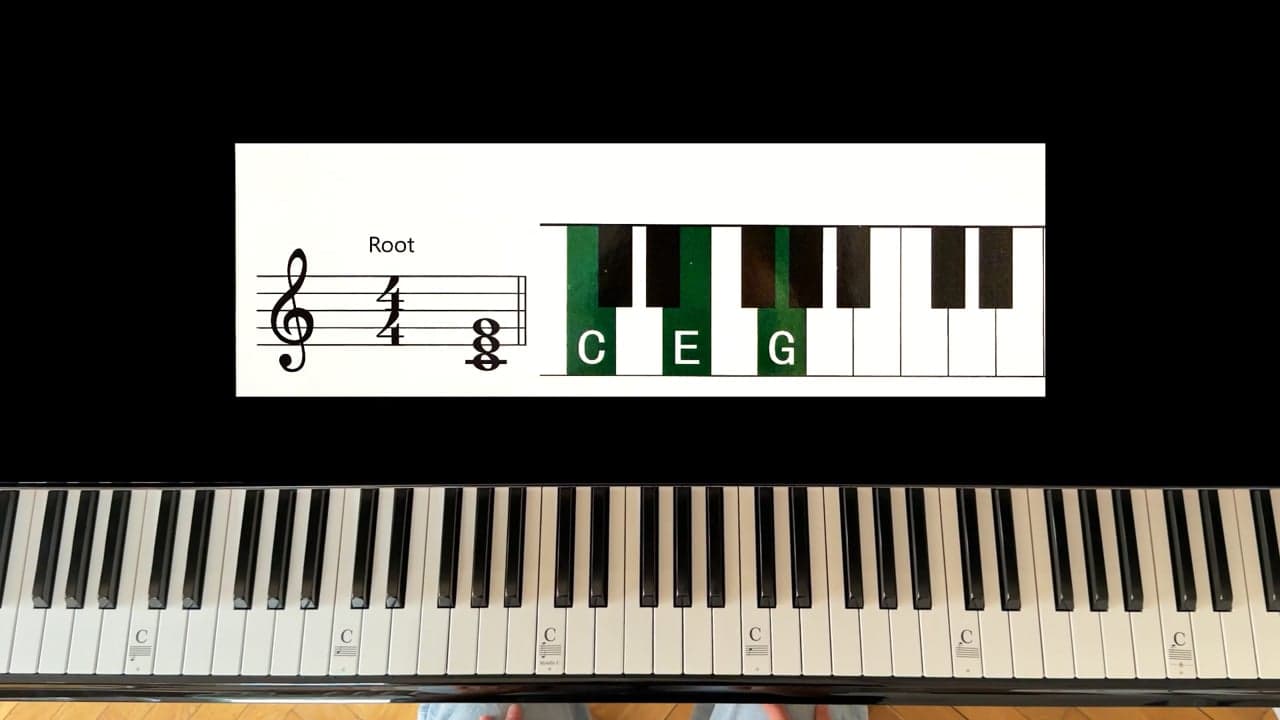
Each chord, besides its root position, can also be played in two other ways.
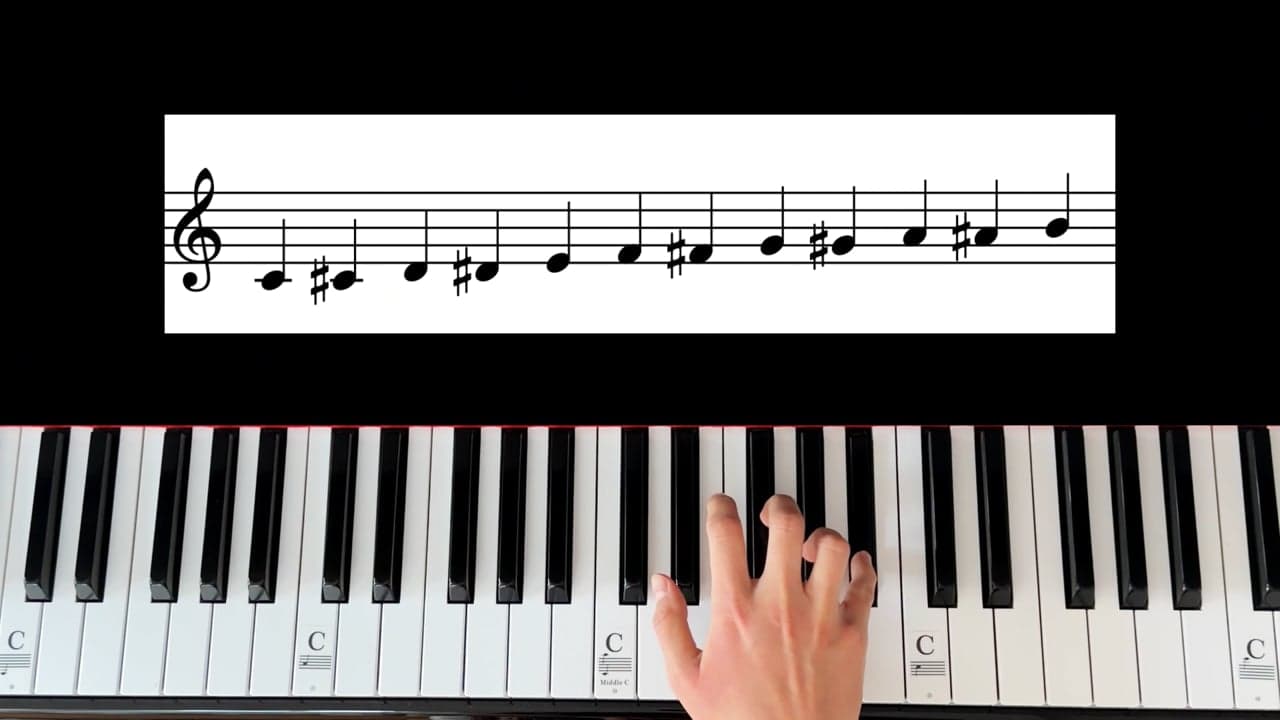
Music theory is not required to play the piano, but it is highly valuable for understanding music more deeply, learning songs more easily, and improving your technique.
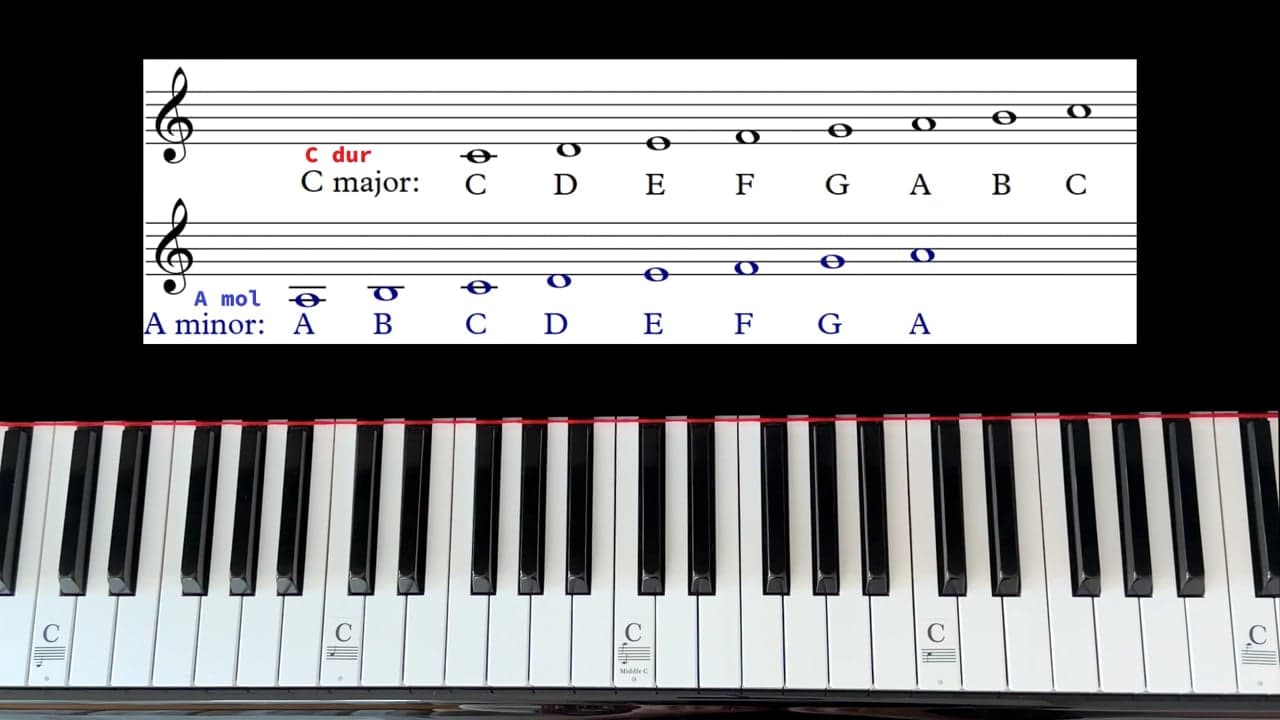
Every major scale has a parallel minor scale. Understanding the differences between natural, harmonic, and melodic minor scales helps improve composition, playing songs by ear, and musical interpretation.
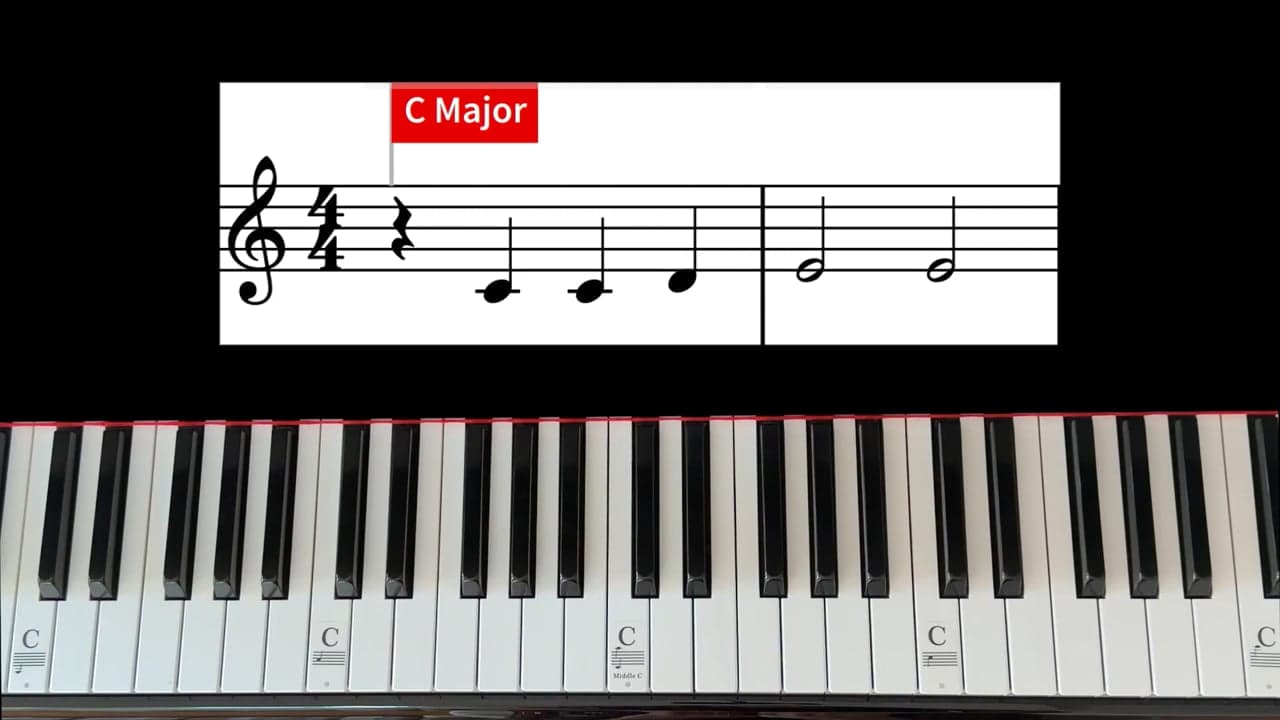
This video explains one of the fundamental concepts in music - the key, or tonal center. You’ll learn what it means when a song is in C major or A minor, how to identify the key, and why it’s essential for musical harmony.